When Kids Only Say “Fine” or “I Don’t Know”: How to Hear What’s on Their Mind (Ages 4–8)
Let “How was school?” be an invitation, rather than a test. A child who says “fine” or “I don’t know” may still be catching their breath after school or finding it hard to sum up a whole day. Give them a pause, then invite them to share with a small, concrete question. Make room for feelings beyond homework, too. How can I ask about school when my child only says “I don’t know”? These four conversations show how to start.
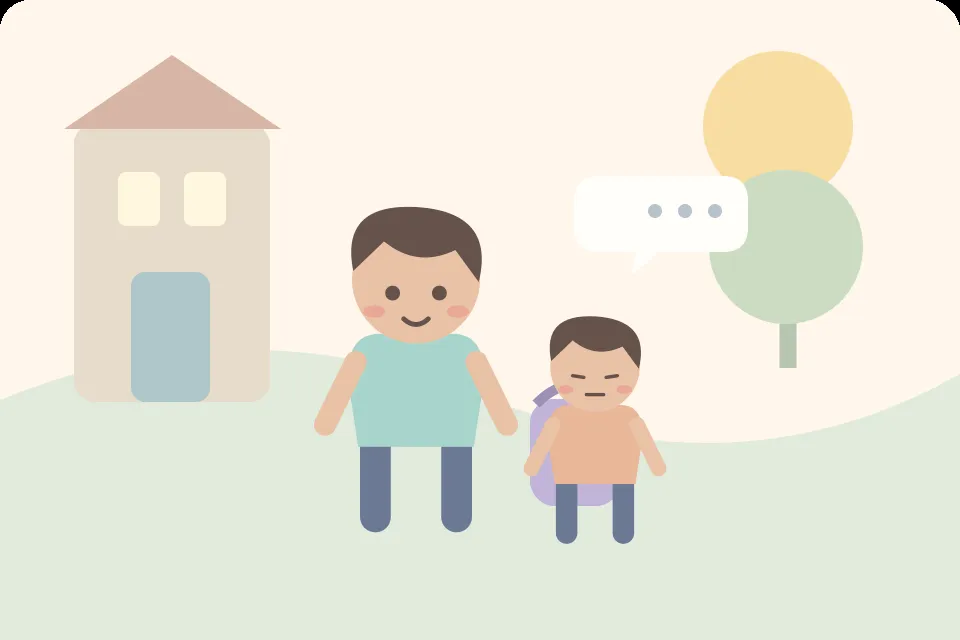
Parent: “How can I ask about school when my child always says ‘I don’t know’?”
Parenting Advisor: Trade the whole-day question for a small, concrete invitation. The Child Welfare League Foundation recommends matching language to children’s understanding and expressive abilities, using short sentences with younger children. For ages 4–8, keep the wording short and specific, without piling on a string of questions.
Parent: “How was school?”
Child: “I don’t know.”
Parent: “What was something fun at school today?”
Child: “Playing ball at recess.”
Parent: “Who did you play with? What did you play?”
Those questions come from the foundation’s conversation suggestions. The example answers are illustrative; they do not promise that a child will immediately say more. The aim is to offer an easier place to begin.
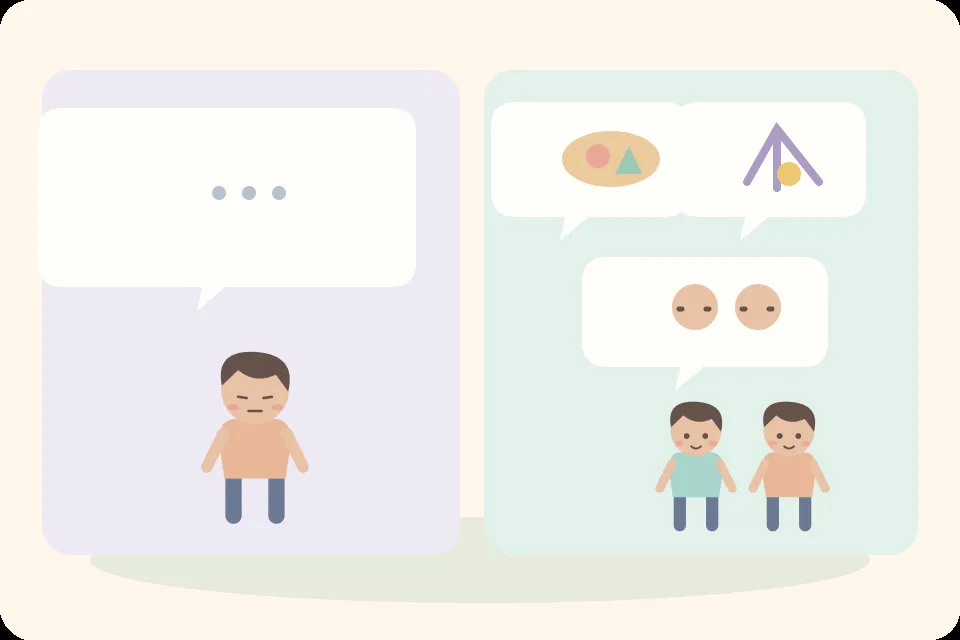
Parent: “They only say ‘fine’ after school. Are they hiding something?”
Parenting Advisor: “Fine” is a common short answer, not proof that something is wrong. The Child Welfare League Foundation’s article opens with a child giving just that response. Taipei City Family Education Center recommends opening warmly, listening before rushing to ask “why,” and communicating through your own feelings.
Child: “Fine.”
Parent: “I finished something today, and I felt relieved.”
Child: “I finished something today, too.”
Parent: “Mm-hmm. I’m listening.”
Share a small piece of your own day and how it felt, then listen to what your child offers. Everyday life can be a starting point for conversation.
Parent: “When should I ask? Should we talk about homework?”
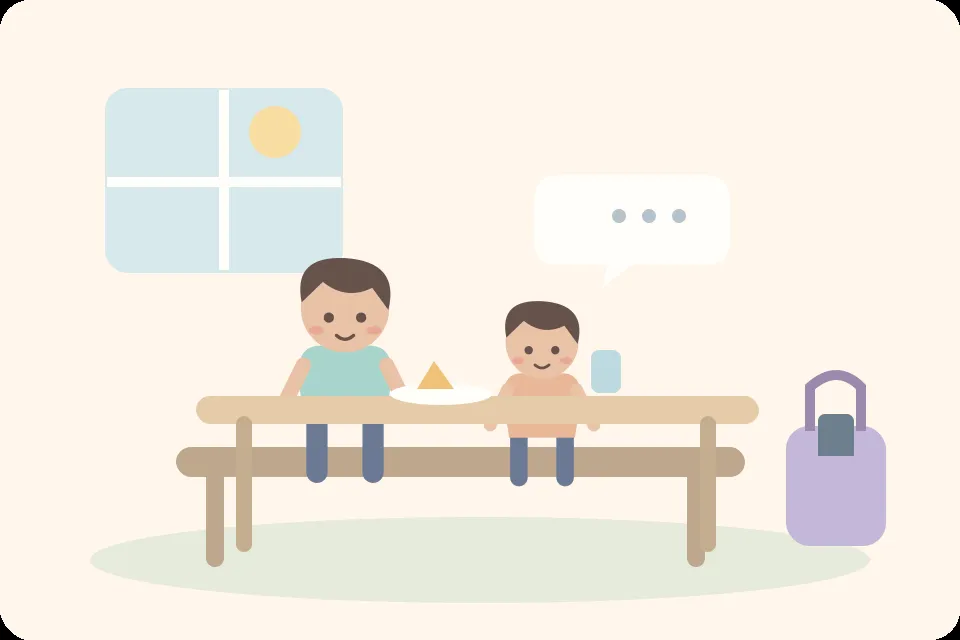
Parenting Advisor: The American Academy of Pediatrics (AAP) recommends making active listening a daily routine. An after-school snack or bedtime can work well. Put down your phone, pause the television, and sit at your child’s level. The goal of listening is understanding, rather than preparing a response.
The Child Welfare League Foundation recommends daily quality time without devices, shifting the focus from schoolwork to friendships and feelings instead of only asking about test results. Taipei City Family Education Center encourages at least one focused listening day each week, with everyday topics such as food, clothing, home, travel, learning, and play.
Parent: “I’d like to listen while we have our snack. What was something fun at school today?”
Child: “I played with Alex.”
Parent: “Mm-hmm. What did you play?”
Life and feelings beyond homework deserve a place in the conversation, too.
Parent: “They finally say a little more. How do I respond?”
Parenting Advisor: Offer emotional support before advice. In the Child Welfare League Foundation’s example, when a child says classmates will not play with them, a parent first acknowledges their sadness instead of immediately telling them to be more outgoing. AAP’s reflective listening approach also involves summarizing what a child said and naming and supporting the feelings behind it.
Child: “The other kids won’t play with me.”
Parent: “It sounds like that was hard for you.”
Child: “I want to play with them.”
Parent: “It’s okay to be on your own, too. If you want to make friends, we can think about it together.”
The foundation suggests nodding, making eye contact, and smiling, with expressions and tone that match your words. You can also practice its three-minute listening exercise: invite your child to share something happy, set a timer, and listen quietly without interrupting. Afterward, talk about how being heard felt, or switch roles. This gives feelings a place in the conversation.

Frequently asked questions
Do I have to ask about school every day?
AAP recommends daily listening time. The Child Welfare League Foundation suggests including friendships and feelings beyond homework. Taipei City Family Education Center also offers everyday topics such as food, home, travel, and play, so conversation can begin with daily life.
What if my child still says “I don’t know” to a specific question?
Listen before rushing to ask “why.” You can begin with your own feelings and use short sentences that fit your child’s expressive abilities. Keep making room for everyday experiences and feelings during daily time together without devices.
Am I asking at the wrong time if my child says less right after school?
Try a regular listening time during an after-school snack or at bedtime, as AAP suggests. Give your child a pause, put down your phone, and sit at their level. Focus on understanding rather than getting an immediate answer.
When my child mentions classmates, should I give advice or call the teacher immediately?
Start with emotional support. Reflect what your child said and how they feel before offering advice: “It sounds like that was hard for you.” Keep listening. If you are worried about bullying, ongoing reluctance to attend school because of peer problems, or clear changes in sleep or mood, talk with the school or a professional.
When should I ask the school or a professional for help?
Seek help if you are worried about bullying, prolonged withdrawal, frequent reluctance to go to school because of peer problems, or trouble sleeping. A single “fine” is not enough to judge what is happening; listen to your child’s thoughts and feelings, too.
References
- Taipei City Family Education Center: Weekly Listening Day (in Chinese)
- Child Welfare League Foundation: six tips for positive parent–child communication (in Chinese)
- Child Welfare League Foundation: when no one wants your child in their group (in Chinese)
- American Academy of Pediatrics / HealthyChildren.org: Communication Skills Start at Home
Related reading: Gentle conversations about lying · Helping shy children with relatives
This article summarizes general family communication information from Taipei City Family Education Center, the Child Welfare League Foundation, and AAP. Discuss individual concerns with the school or a professional.
Disclaimer:This is general parenting information, not professional advice. If you are worried about bullying, your child not wanting to go to school, or clear changes in sleep or mood, talk with the school or a professional.
A little time together
Want a little time to chat and play together? Try a relaxed game with Kid Coax.
Open Kid Coax