Is Your Child Afraid of Ghosts or the Dark? Calmer Bedtimes After Halloween
When your child is afraid of ghosts or the dark, the most helpful approach is to “listen carefully, make it clear they are safe, and talk about what is real during the day”: avoid laughing at them or pushing them to be brave. Follow a calm, predictable bedtime routine, offer a favorite comfort toy, and leave a dim nightlight on if needed. After seeing Halloween costumes, explore masks and how makeup is applied together during the day to help your child understand that “this is pretend.” Fear of the dark and monsters is very common in preschoolers and usually eases as they grow older.
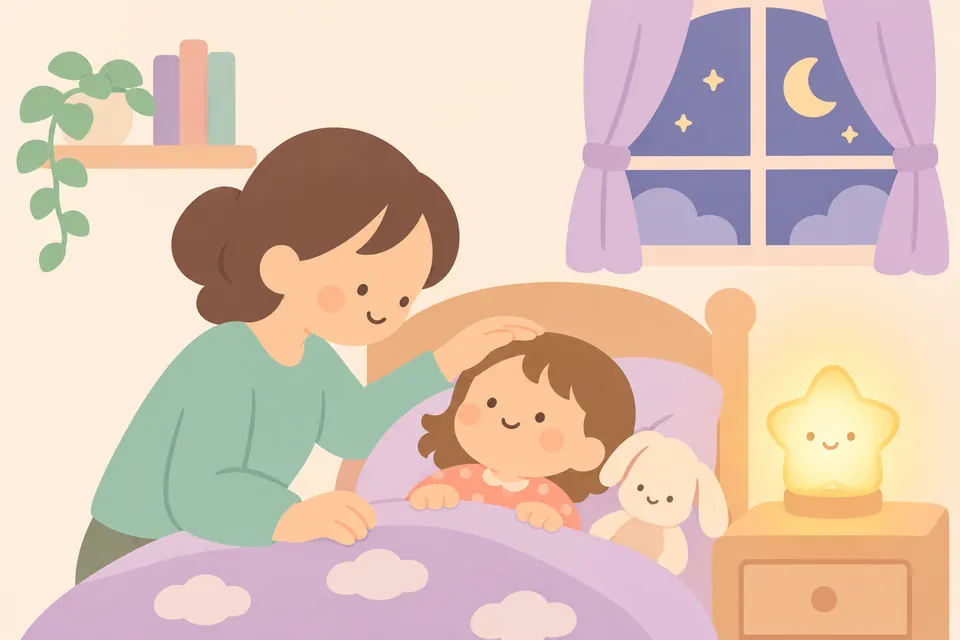
Why has my child suddenly become afraid of ghosts or the dark?
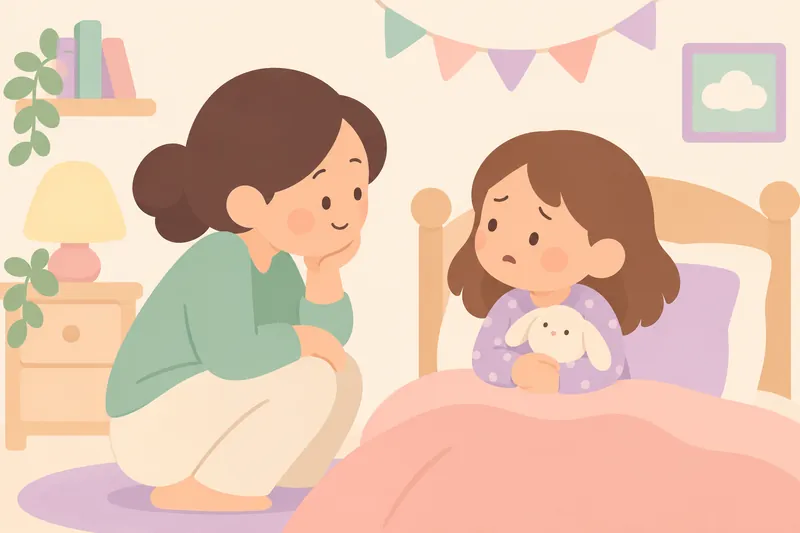
Preschoolers’ imaginations are developing quickly, but they still struggle to distinguish “imaginary” from “real.” Halloween costumes, scary masks, and store decorations that move and make noises might seem fun during the day, then become monsters in their minds when the lights go out. Age, development, and temperament vary: some very young children are unafraid, while older children may be frightened. Both reactions are normal.
Calmer bedtimes after Halloween: 4 things to try
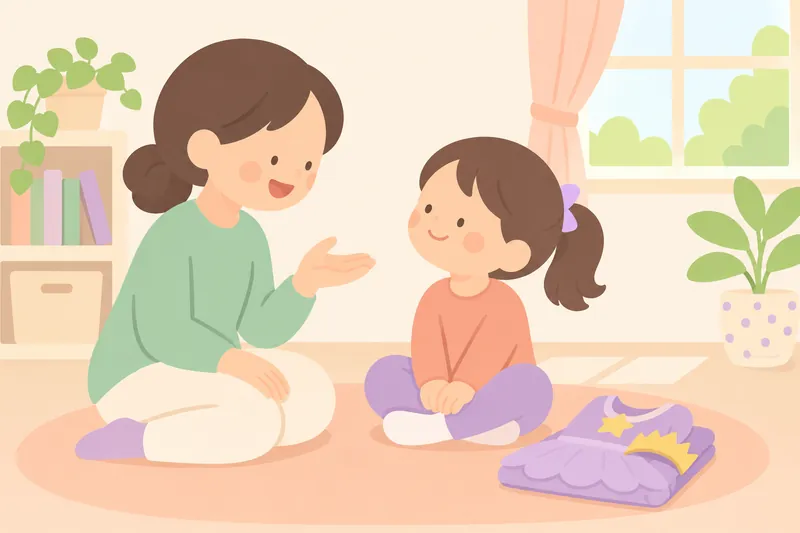
- Listen first, without laughing or dismissing the fear — Ask, “What did you see that frightened you?” and let your child finish. Avoid saying, “What’s there to be scared of?” or “You’re a big kid now.” Something adults find funny may feel very real to a child. Acknowledge their feelings: “That mask really was scary. No wonder you felt afraid.”
- Talk about “real and pretend” during the day, with evidence — Save conversations about frightening things for daytime, rather than discussing them in bed. Watch a video together showing how masks or Halloween makeup are made, or let your child touch and try on an adult’s costume so they understand that “it is a person dressed up.”
- Keep bedtime calm and predictable — Avoid scary videos and ghost stories in the 30–60 minutes before bed. Instead, have a bath, brush teeth, and read a gentle picture book. Gradually dim the lights and offer a favorite stuffed animal or blanket. At goodnight, say clearly, “You are safe. We are right nearby.”
- Try a nightlight and a little imagination — If needed, leave a dim nightlight on all night; avoid lighting the whole room brightly, because children need enough darkness to sleep well. Check for objects that cast frightening shadows and move them. You can also invent a little “monster-away” ritual together, such as spraying “monster-away spray” from a clean spray bottle filled with plain water.
How can I comfort a child who cannot sleep after seeing Halloween costumes?
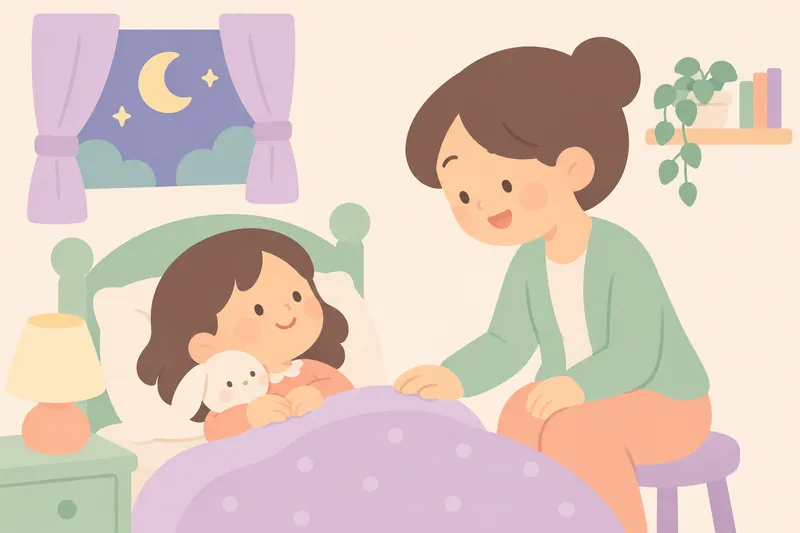
If your child calls for you in fear during the night, go to their bedside and say calmly, “You are safe. I am here.” Offer a hug and take a few slow breaths together, then say goodnight once they have relaxed. Try to help them fall back asleep in their own bed rather than moving to your bed every time. The next day, talk about what they saw and what frightened them, and explore how the costume was made. Avoid scary videos and decorations for the next few days. Before attending Halloween activities, see how your child reacts to costumes in stores. Leave whenever things feel too intense, without pressuring them to stay.
What to avoid
- Do not frighten your child with “A ghost will get you” or “The monster will come if you don’t sleep.” This deepens the fear.
- Do not tease your child or insist that they “be brave.”
- Do not keep talking about ghosts and monsters at bedtime. Too much repeated reassurance can leave children feeling there really is something to fear.
When should we seek medical or professional help?
If fears continue for several weeks and seriously disrupt sleep, school, or daily life, or your child has frequent nightmares, night terrors, or significant daytime anxiety, speak with their pediatrician. A referral to a child mental health professional may be helpful.
Frequently asked questions
Should I leave a light on if my child is afraid of the dark?
A dim nightlight is fine, and can stay on all night. Avoid bright lights or multiple lights: children sleep better when the room is dark enough.
At what age are fears of ghosts and the dark most common?
They are very common in preschoolers, whose vivid imaginations still make it hard to distinguish pretend from real. Children vary widely.
Should I stay with my child when they are afraid of ghosts?
You can comfort them at the bedside and help them relax, while trying to let them fall asleep in their own bed so it feels like a safe place.
Should I take a child who is afraid of ghosts to Halloween events?
Watch how your child responds to costumes and decorations, choose activities that suit them, and leave if things become too frightening. Do not force them to stay.
Can I tell my child that “ghosts aren’t real”?
Explain in words they understand that costumes are people wearing makeup, and show them evidence. This is more helpful than simply saying “there are no ghosts.”
For more ideas, see: Won’t sleep? 4 gentle bedtime rituals for kids · Crying at preschool? 4 ways to ease separation anxiety
This article provides general parenting information and does not replace medical advice. If you have concerns, consult your child’s pediatrician.
References
Disclaimer: This article provides general parenting information and does not replace professional medical advice. If you have concerns about your child’s health or development, consult their pediatrician.
Need a little help at bedtime? Try Kid Coax, free with no registration.
Open Kid Coax