When a Child Gets Norovirus: Home Care, Cleaning, and When to See a Doctor
There is no specific medicine for norovirus: focus on fluids and electrolytes, soap-and-water handwashing, proper cleaning, and signs of dehydration; young children often vomit more, and the virus spreads very easily.
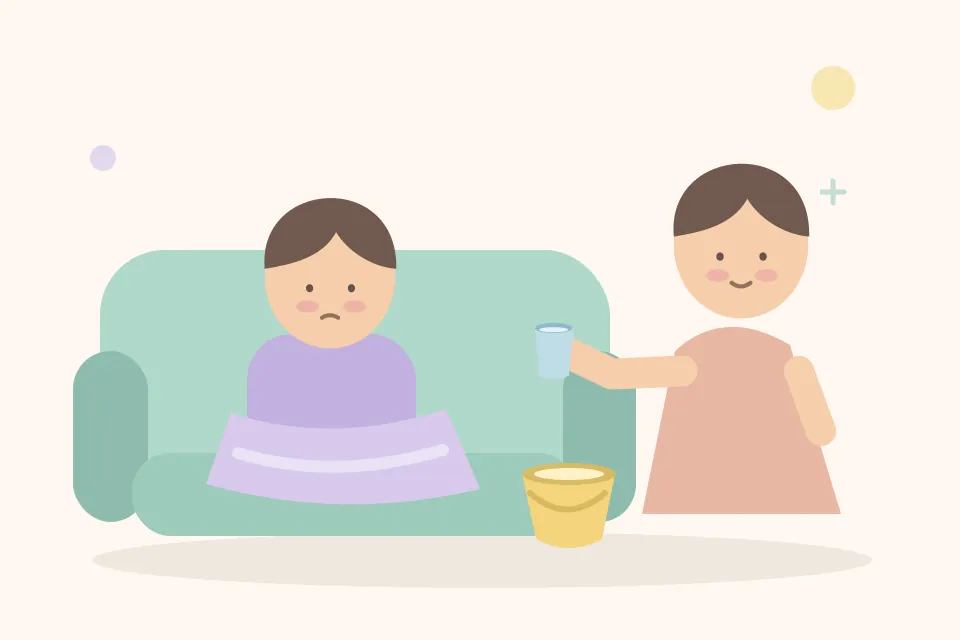
Before: Reduce the chance of infection
Norovirus can spread through contaminated food or water, close contact with someone who is sick, contact with vomit, stool, or contaminated surfaces, and droplets from vomit or stool. Taiwan CDC’s Q&A emphasizes hand and food hygiene.
Wash thoroughly with soap and water before preparing food or eating, after using the toilet, and after caring for someone who is sick, including diaper changes and handling stool. Alcohol hand sanitizer works poorly against norovirus and is not a reliable substitute for washing.
Wash produce, avoid raw food and untreated drinking water, cook oysters and other shellfish thoroughly, and use serving utensils for shared dishes. Taiwan CDC also notes that breastfeeding can help newborn immunity.
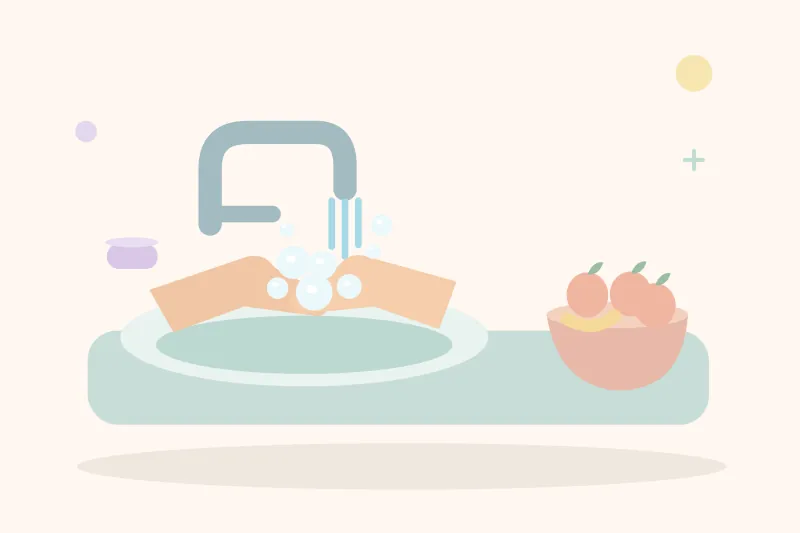
During: Caring for a sick child at home
Taiwan CDC lists nausea, vomiting, diarrhea, and stomach cramps, sometimes with fever, chills, fatigue, headache, or muscle aches. Younger children often have more noticeable vomiting. Symptoms usually last 1–3 days. Its Q&A gives a general incubation period of 10–50 hours; the CDC news release listed below describes about 24–48 hours. Children do not all develop symptoms at one exact time.
There is no specific antiviral treatment for norovirus. Offer rest, fluids, electrolytes, and nutrition. Families with babies or young children can buy oral electrolyte solution at a pharmacy. The Pediatric Infectious Diseases Society of Taiwan emphasizes oral electrolyte solution made for childhood diarrhea; sports drinks are not an ideal replacement fluid for children with diarrhea.
Offer small, frequent, bland meals and avoid very oily or high-sugar foods. The society advises normal feeding when there is no dehydration or after dehydration has been corrected with electrolytes. Continue breastfeeding. Do not routinely dilute formula or switch to lactose-free formula. Keep watching urine output and tears.
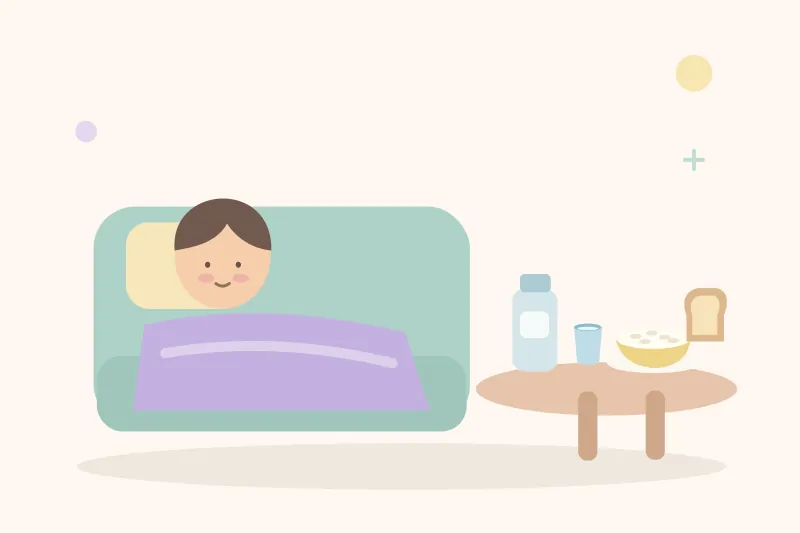
After: Returning to school and cleaning at home
Keep up hygiene after symptoms improve. Taiwan CDC’s Q&A says some people still shed virus in their stool and remain infectious for up to two weeks after recovery. Follow your school’s rules for returning and keep washing hands thoroughly. The CDC news release advises food-service and group-meal workers to stay off work until at least 48 hours after symptoms resolve.
Taiwan CDC gives these bleach mixtures: 20 mL of bleach plus 1 liter of water for contaminated surfaces (1,000 ppm), and 100 mL of bleach plus 1 liter of water for vomit or stool (5,000 ppm). These are the recipes and concentrations as stated in its guidance. Mix bleach the day you use it.
Wear gloves and a mask before handling vomit or stool. Change contaminated clothes and sheets promptly, disinfecting with 1,000–5,000 ppm bleach as appropriate. Alcohol works poorly against these gastroenteritis viruses; wash hands thoroughly with soap and water after cleaning.
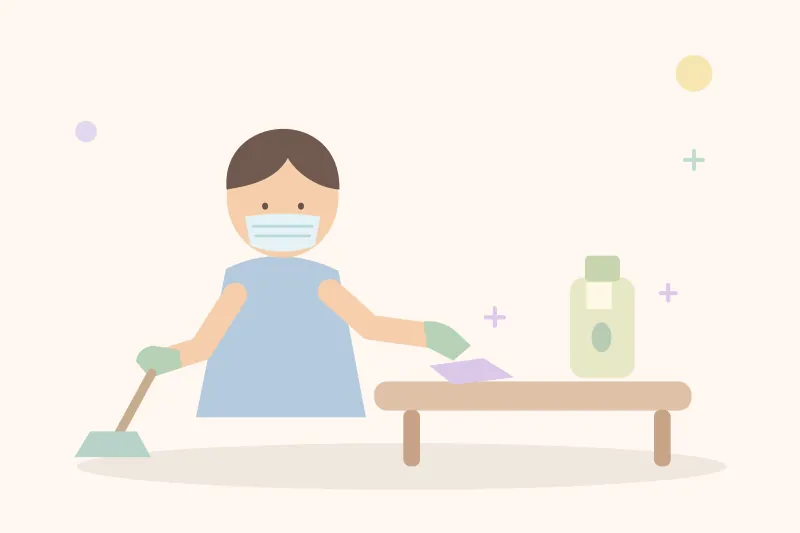
Dehydration and danger signs: Get medical care right away
The Pediatric Infectious Diseases Society of Taiwan warns that markedly decreased urine and crying with no tears can signal moderate to severe dehydration and require urgent medical care. Do not just wait for vomiting or diarrhea to stop.
Taiwan CDC urges particular care for infants, older adults, people with weakened immunity, and those needing long-term care. Fluid and electrolyte losses that cannot be replaced can cause dehydration and electrolyte imbalance, with severe complications such as seizures that can be life-threatening. Seek medical assessment early.
The Pediatric Infectious Diseases Society of Taiwan recommends that all children under 18 with acute gastroenteritis be evaluated by a pediatrician. This is the society’s professional advice; discuss your child’s care with their doctor.
Frequently asked questions
Is there a specific medicine or vaccine for norovirus?
Taiwan CDC’s Q&A says there is no specific medicine for norovirus and no vaccine currently available. Care focuses on fluids and electrolytes. One infection does not protect against other types.
Can alcohol disinfect norovirus?
Alcohol disinfectants work poorly against gastroenteritis viruses such as norovirus. Wash hands with soap and water. For contaminated surroundings, follow Taiwan CDC’s diluted bleach guidance and mix it the day you use it.
What should my child eat and drink after vomiting or diarrhea?
Replace fluids and electrolytes; young children can use pharmacy oral electrolyte solution made for childhood diarrhea. Sports drinks are not an ideal replacement. Offer small, frequent, bland meals and avoid very oily or sugary foods. Continue breastfeeding and do not routinely dilute formula.
Can someone still spread it after recovery, and when can they work?
Some people still shed virus in stool and remain infectious for up to two weeks after recovery. Taiwan CDC advises food-service and group-meal workers to wait at least 48 hours after symptoms resolve before returning to work. Follow school rules for children’s return and keep up hand hygiene.
When does my child need urgent care?
Markedly decreased urine or crying with no tears can signal moderate to severe dehydration and requires urgent care. The Pediatric Infectious Diseases Society of Taiwan also recommends pediatrician evaluation for all children under 18 with acute gastroenteritis.
References
Related reading: Flu vs. cold · Medicine and shots · Picky eating
This article summarizes Taiwan CDC and Pediatric Infectious Diseases Society of Taiwan health education. A doctor should assess individual symptoms, rehydration needs, and treatment.
Disclaimer: This is general health information, not medical advice; if your child seems unwell, shows signs of dehydration, or you are unsure, see a doctor.
A little company while resting at home
Feeling cooped up at home? Try a quiet little game together with Kid Coax.
Open Kid Coax