Won't Wear a Coat? How to Dress Kids for Winter Without Overheating
If your child refuses a winter coat, ask what feels uncomfortable and use removable layers; even in winter, a down jacket can be too warm. A thicker coat is not always the next step. Use this checklist at the door, then check again when the setting or activity changes.
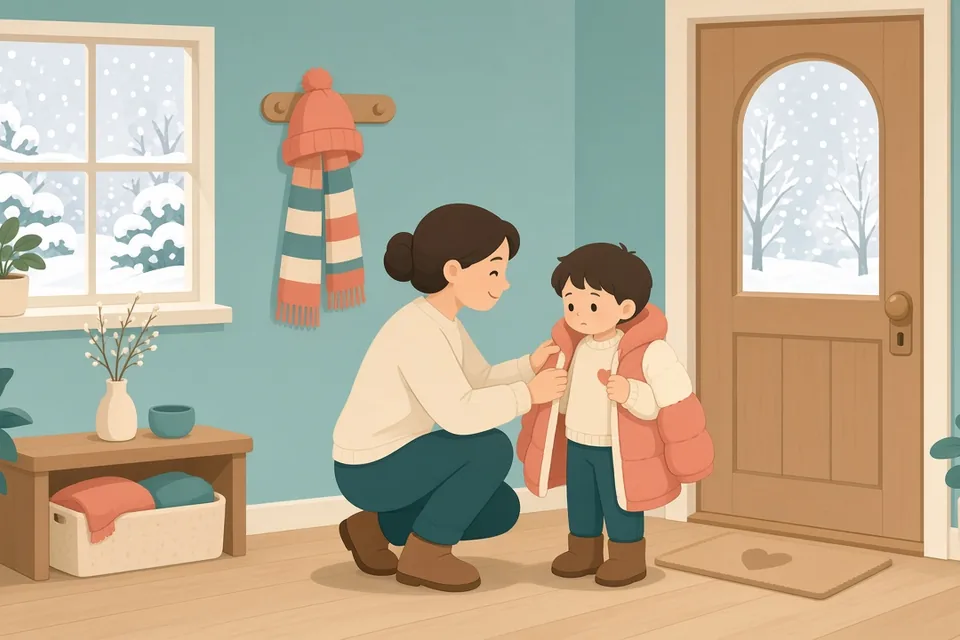
Before you go: a dressing checklist
- Think through the outing: sitting indoors, walking outside, or running around? Keep a removable outer layer within reach.
- Start with a thin base, a warm middle layer, and an outer coat. Adjust for wind, rain, activity, and comfort rather than putting everything on at once.
- The AAP recommends several thin layers. For older babies and young children, one layer more than an adult in the same conditions is a starting point, with adjustments as needed (reference 1).
- For cold outdoor conditions, include a warm hat, mittens, and boots. Replace wet clothing with dry clothes.
- Feel the chest or upper back and ask, “Does this feel comfortable?” Check again after entering a warm room or starting active play.
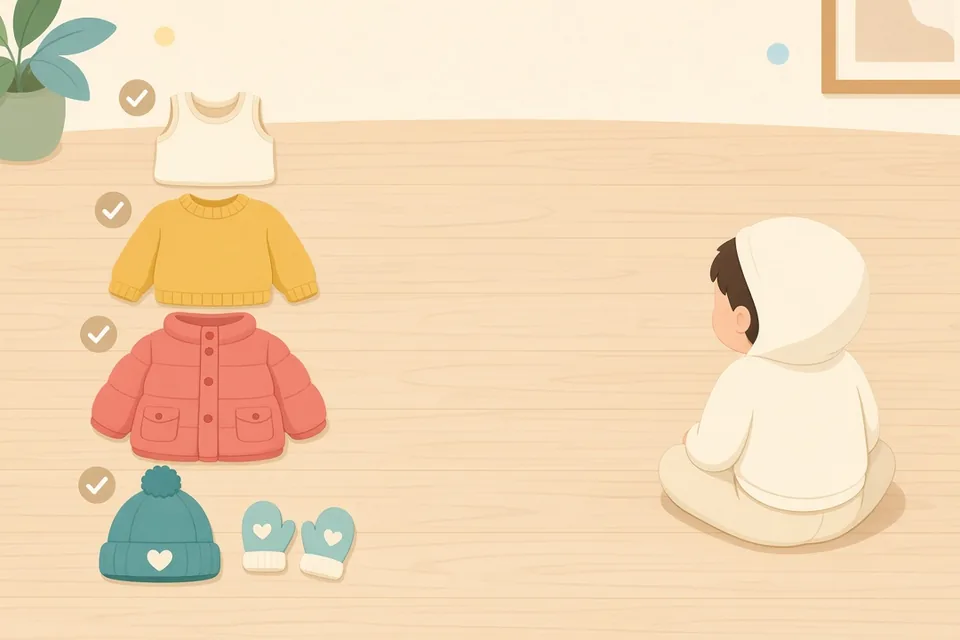
Too hot or too cold? Check, then adjust one layer
Aim for a warm chest and back without heat or sweat. Hands and feet alone do not tell the whole story. These are everyday observations, not a diagnosis; the AAP describes infant overheating signs in reference 3.
| What you notice | Possible meaning | Next step |
|---|---|---|
| Sweating, flushed skin, hot chest | Too many layers | Remove a layer, move somewhere comfortable, and check again. |
| Warm chest and back, no sweat | Comfortable for now | Keep watching; check when the setting changes. |
| Cool chest or shivering | Needs warmth | Go indoors, replace wet clothes, and add a dry layer. Seek care if discomfort continues. |
Indoors versus outdoors: down is not an all-day uniform
This week, a strengthening northeast monsoon is expected around 19–21 November 2026. Temperatures may fall, especially in northern Taiwan in the early morning. Check the Central Weather Administration’s latest forecast for actual temperatures before going out, rather than planning around a guaranteed low.
Try onion-style layering: a comfortable base, a vest as a mid-layer, and an outer layer suited to the conditions. A vest is easier to add or remove than a bulky down coat, which children may refuse or overheat in. Recheck warmth when moving between indoors and outdoors.
A down jacket may suit a cold outdoor outing but feel too warm in a heated classroom, store, or busy playground. Pause at the door to remove the outer layer, then put it back on before heading into the cold. When choosing a coat, let your child reach up, squat, and try the zipper. Notice scratchy collars and restricted movement.
If your child feels cold, move out of the wind, ask where they feel chilly, and check their chest, back, and clothing for dampness before adding a dry layer. Ask a doctor about unusual, persistent cold sensitivity or other symptoms.
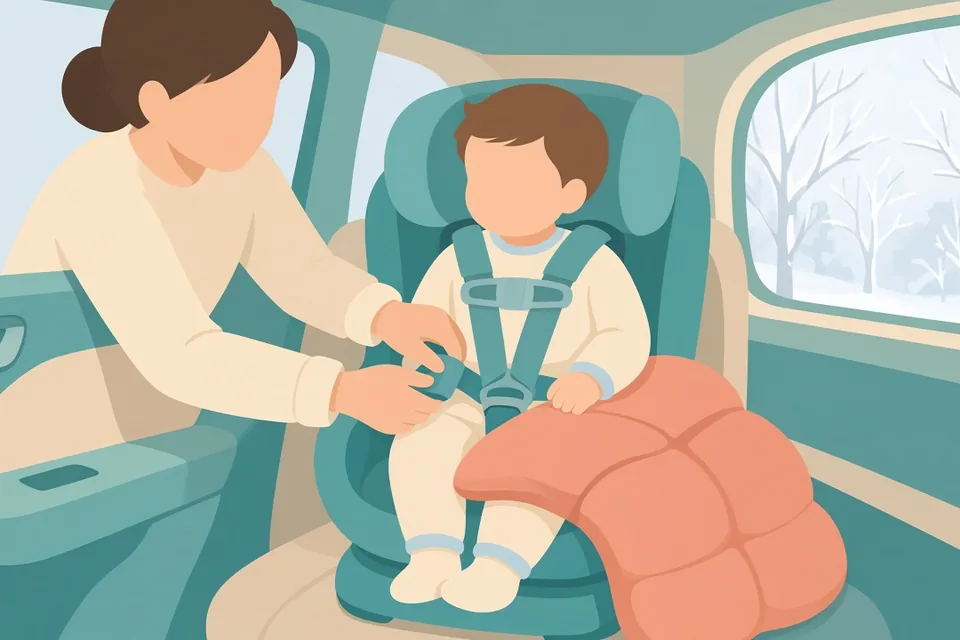
A small choice at the door, a safety check in the car
Try, “That one feels stuffy. I hear you. Would you like the blue coat or the green one?” A pretend expedition can give your child a chance to choose their gear. This is a gentle way to invite participation, with no promise that it will work every time. Adults still need to help children stay warm.
Before buckling up, remove bulky coats and snowsuits. Use thin, snug layers and secure the harness according to the seat instructions. Add the coat over the buckled straps if needed, leaving the face uncovered. Remove that outer covering as the car warms up (reference 2).
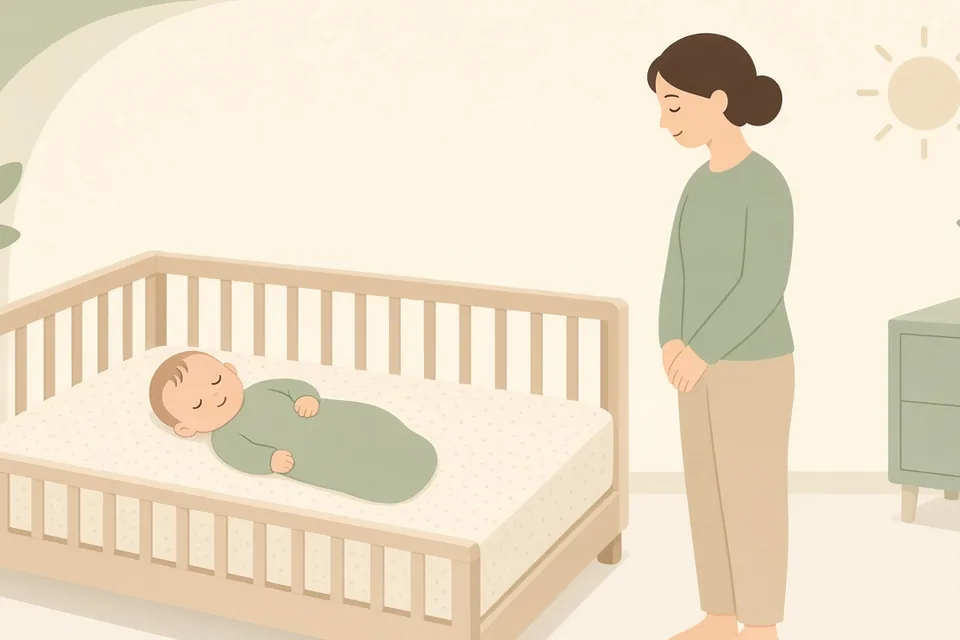
Bedtime checklist: sweating means check for excess warmth
If your child sweats during winter sleep, check clothing, room warmth, and whether their chest feels hot before adding bedding. Ask a doctor about persistent heavy sweating, fever, or low energy.
- Place an infant on their back for every sleep on a firm, flat sleep surface.
- Use a fitted sheet only. Keep loose blankets, quilts, pillows, and toys out of the infant sleep space.
- Skip hats for sleep. Use fitted sleepwear or a suitable nonweighted wearable blanket, and avoid overheating.
These are AAP infant safe-sleep recommendations (reference 3). Outdoor layering habits do not automatically belong in the crib.
Warning signs that need urgent care
Get medical help immediately for unusual lethargy, breathing trouble, or suspected hypothermia or frostbite. Pale or gray skin and numbness also need attention. For suspected hypothermia, call local emergency services; while waiting, move indoors, remove wet clothes, and wrap in dry clothing or blankets. Do not rub a possibly frostbitten area (references 1 and 4). Emergency warming is different from adding loose bedding to an infant sleep space.
Frequently asked questions
What if my child refuses to wear a coat?
Ask whether the coat feels hot, itchy, or hard to move in, then offer two suitable choices. Carry an extra layer and check their chest, back, and energy in a sheltered spot. Help them stay warm calmly; do not deliberately let them get cold to teach a lesson.
Can a down jacket be too warm in winter?
Yes. A down jacket can be too warm indoors or during active play. It is not an everyday requirement. Adjust layers for the setting, activity, and how your child feels; sweating, flushed skin, or a hot chest are reasons to remove a layer and check again.
Can my child wear a bulky coat in a car seat?
Do not put a bulky coat or snowsuit under a car seat harness. Use thin, snug layers and buckle the harness according to the seat instructions. If needed, place the coat over the buckled harness, keeping the face uncovered.
How can I tell if my child needs more or fewer layers?
Feel the chest or upper back and watch their activity and alertness. Aim for warm, not hot or sweaty. Remove a layer for sweating, flushed skin, or a hot chest. Move indoors and add dry layers for a cool chest or shivering. Unusual lethargy or breathing trouble needs immediate medical attention.
Should I add a blanket if my child sweats during winter sleep?
First check whether clothing or the room is too warm. Winter alone is not a reason to add bedding. Keep loose blankets, quilts, and pillows out of an infant sleep space, and skip hats for sleep. Choose fitted sleepwear or a suitable nonweighted wearable blanket. Ask a doctor about persistent heavy sweating or other symptoms.
References
Further reading: Helping a child who resists the car seat · A calmer bedtime routine
Safety guidance follows the four official sources above. For advice about your child’s health or temperature comfort, consult a doctor.
Disclaimer: This is general parenting and health information, not individual medical advice or a guarantee of results. Seek care if your child seems unwell.
A gentle start before heading out
Leave a little time for connection and a small choice before the next family outing.
Explore Kid Coax