When Kids Can’t Stop Watching Short Videos: Age-by-Age Tips and a Family Plan
Short-video platforms often play the next clip automatically, making it hard for kids to stop; adjust screen use by age, turn off autoplay, and make a family plan that leaves room for meals, sleep, outdoor play, and face-to-face time.
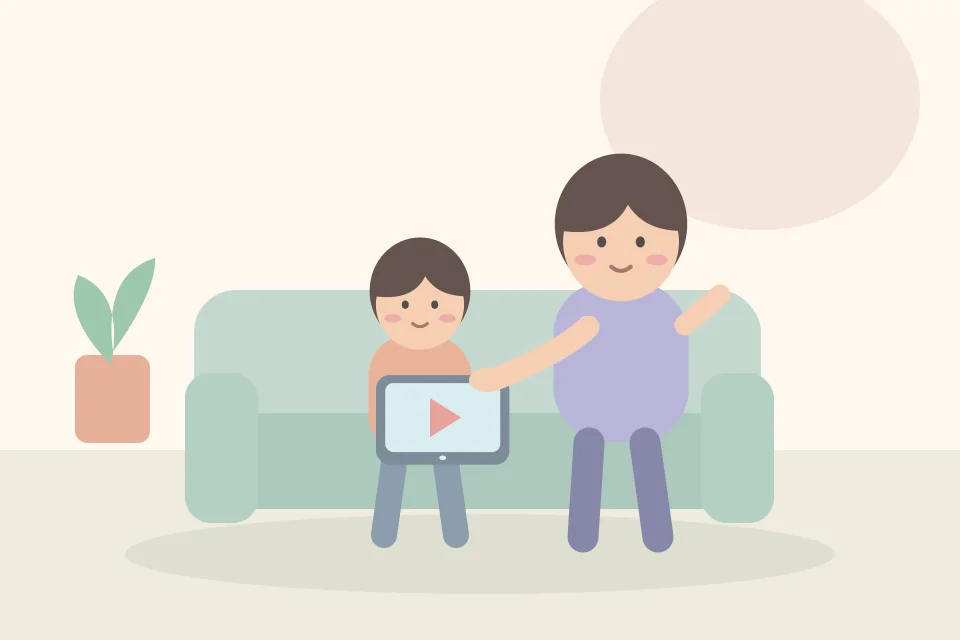
Under 2: Hold off on screens
Taiwan’s Health Promotion Administration (HPA) recommends avoiding screens under age 2 and not using phones or tablets to soothe a child. The American Academy of Pediatrics (AAP) says infants under 18 months learn best from real-world interactions; heavy solo screen use can affect developing language and social skills.
Using screens mainly to calm or entertain can crowd out sleep, play, reading, and exploration. Set the device aside and leave time to play, read, move, and explore together.
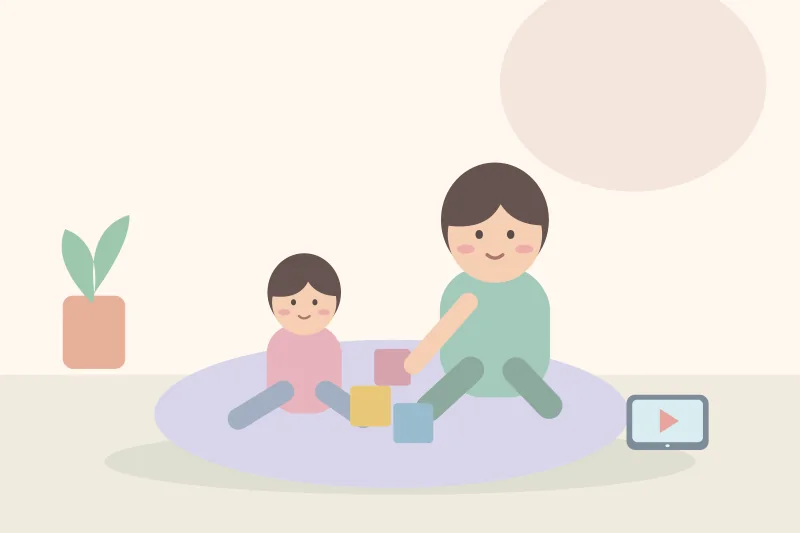
Ages 2–5: No more than 1 hour a day, together
HPA recommends no more than 1 hour of daily screen use for children over age 2, rest for 10 minutes after 30 minutes of near work, and at least 2–3 hours of outdoor activity each day. Blue-light accessories do not make unlimited screen time a good idea.
AAP recommends watching and playing alongside children. Choose quality content that teaches, inspires creativity, or encourages connection, and avoid lots of ads, violence, and age-inappropriate content. Prefer a shared family tablet and delay personal tablets. Talk together about what you watch.
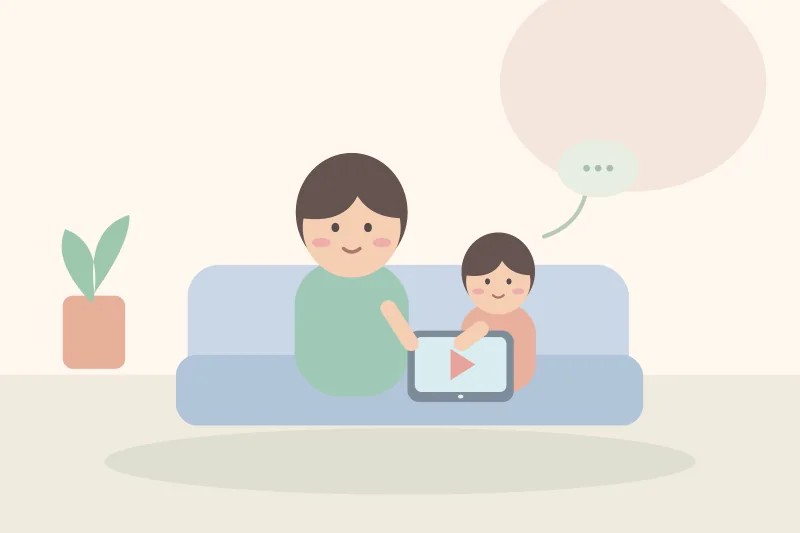
School-age children: Content, context, and a family plan
Updated AAP guidance moves beyond simple time limits toward quality, context, and conversation. In school-age children, screen misuse has been linked with unhealthy sleep, poorer school performance, weaker attention control, less exercise, and less time with friends and family. These are associations, not outcomes every child will experience.
Create a Family Media Plan together. Talk about ads and influencer marketing, check privacy settings, and leave room for reading, outdoor play, family games, and hobbies. Model putting your own phone down at meals and bedtime.
Agreements for the whole family
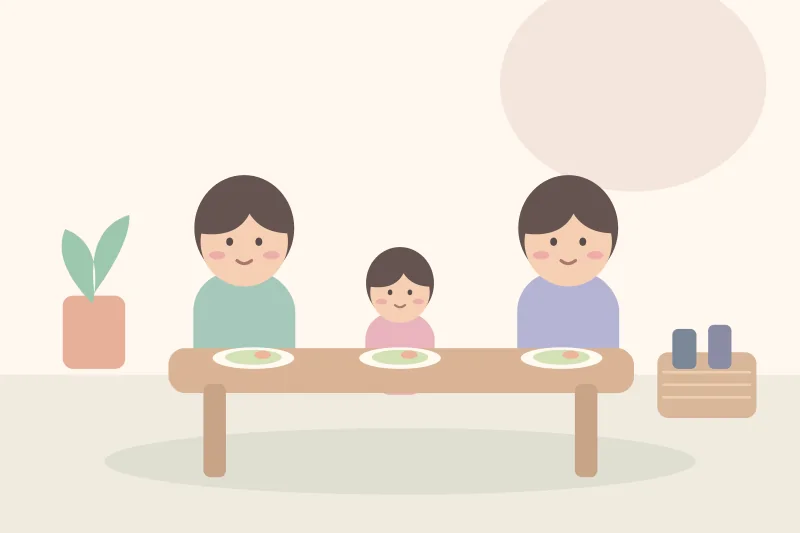
AAP recommends screen-free zones at the dinner table, during homework, and before bed. Bedrooms are another good screen-free zone, especially during the hour before bedtime. HPA says the alerting effect of blue light from bedtime device use can affect sleep quality.
Turn off autoplay and notifications: these features are designed to keep kids engaged longer. Use one screen at a time and turn off devices you are not using. Use parental controls and revisit your plan at the start of a school year or during holidays.
Include every family member in the plan. HPA urges parents to model healthy use, follow the same rules as their children, and take back control of screen products. Do not use devices as a babysitter just to keep a child quiet.
Frequently asked questions
Should children under 2 avoid screens?
HPA recommends avoiding screens under age 2 and not using phones or tablets to soothe children. AAP says infants under 18 months learn best from real-world interactions. Leave room for time with people, play, and exploration.
How much screen time is okay each day?
HPA recommends no more than 1 hour a day for children over age 2, with a 10-minute break after 30 minutes of near work. For school-age children, AAP also emphasizes content, context, and conversation while protecting sleep, activity, and family time.
Why turn off autoplay?
AAP says autoplay and notifications are designed to keep users engaged longer. Turning them off is one agreement the whole family can put into a Family Media Plan.
Can short videos help a child settle down or fall asleep?
HPA recommends not soothing children with phones or tablets or using devices as babysitters. The alerting effect of blue light from bedtime device use can affect sleep quality. AAP recommends screen-free time, especially during the hour before bed.
When should we see a doctor?
If vision, sleep, mood, or learning is clearly affected, see a pediatrician or eye doctor. HPA also recommends an eye exam soon if a child often squints, rubs their eyes, or looks at things from very close up.
References
Related reading: After-school conversations · Bedtime · Fear of the dark
Based on HPA and AAP guidance. Discuss individual vision, sleep, and development concerns with your child’s doctor.
Disclaimer: General parenting and eye-health information, not medical advice; if vision, sleep, mood, or learning is clearly affected, see a pediatrician or eye doctor.
Make room to play together
Want to trade screen time for ten minutes of playing together? Try a little game with Kid Coax.
Open Kid Coax